
How We Build Remote Patient Monitoring Software

How We Build Remote Patient Monitoring Software
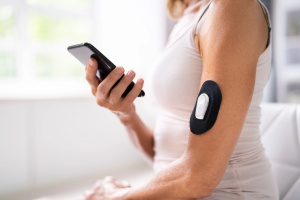


Remote patient monitoring works through a three-layer system: connected devices collect biometric data from the patient, a secure software platform transmits and stores the data, and a clinical dashboard alerts providers to readings outside normal thresholds. Patients use wearables, pulse oximeters, blood pressure cuffs, glucometers, or implanted sensors that sync automatically to the RPM platform via Bluetooth or cellular connectivity. Providers review dashboards, receive automated alerts for high-risk readings, and use the data to adjust treatment plans or schedule interventions without an office visit.
Remote patient monitoring is a subcategory of telehealth. Telehealth is the broad category covering all digital health services delivered remotely, including video consultations, store-and-forward diagnostics, and RPM. RPM specifically refers to the continuous or periodic collection of patient biometric data outside clinical settings using connected devices. The US Centers for Medicare and Medicaid Services (CMS) treats RPM as a distinct service category with its own billing codes (CPT codes 99453, 99454, 99457, and 99458), separate from synchronous telehealth visits.
Remote patient monitoring is important because it enables continuous visibility into patient health between clinical visits, reducing hospital readmissions, emergency department utilization, and the cost of managing chronic conditions such as diabetes, hypertension, and heart failure. For providers, RPM generates reimbursable billable services under Medicare and most commercial insurance plans, creating a recurring revenue stream while improving care quality. Studies show RPM programs reduce hospital readmissions by 25 to 50% for high-risk patients, making it both a clinical and financial priority for healthcare organizations.
Yes. Medicare covers remote patient monitoring under CPT codes 99453 (initial patient setup and education), 99454 (device supply and daily transmission, billed monthly), 99457 (first 20 minutes of RPM services per month), and 99458 (each additional 20 minutes). To qualify, the patient must have a chronic or acute condition, the monitoring must be ordered by a physician or qualified provider, and the RPM platform must collect data for at least 16 days per 30-day period. Most commercial insurers have adopted similar reimbursement structures, with coverage expanding significantly since 2020.
AI in remote patient monitoring reduces the clinical workload of reviewing continuous data streams by automatically filtering noise and surfacing only actionable alerts. AI-powered predictive models improve early detection of deterioration events, reducing emergency admissions and hospital readmissions. For chronic disease management, AI enables personalized threshold calibration based on each patient's individual baseline, rather than population-wide averages. AI also supports population health analytics, identifying high-risk patient cohorts for proactive outreach, and automates billing compliance by flagging monitoring gaps that could affect Medicare reimbursement eligibility.
A core RPM platform with device connectivity, a clinical dashboard, configurable alerts, patient mobile app, and basic EHR integration typically takes four to seven months to develop. Adding advanced features such as AI-powered predictive monitoring, population health analytics, Medicare billing automation, and multi-device support extends the timeline to eight to twelve months. inVerita recommends starting with a focused MVP supporting two to three device types and one chronic condition pathway, then expanding the platform iteratively based on clinical feedback and payer reimbursement requirements.


